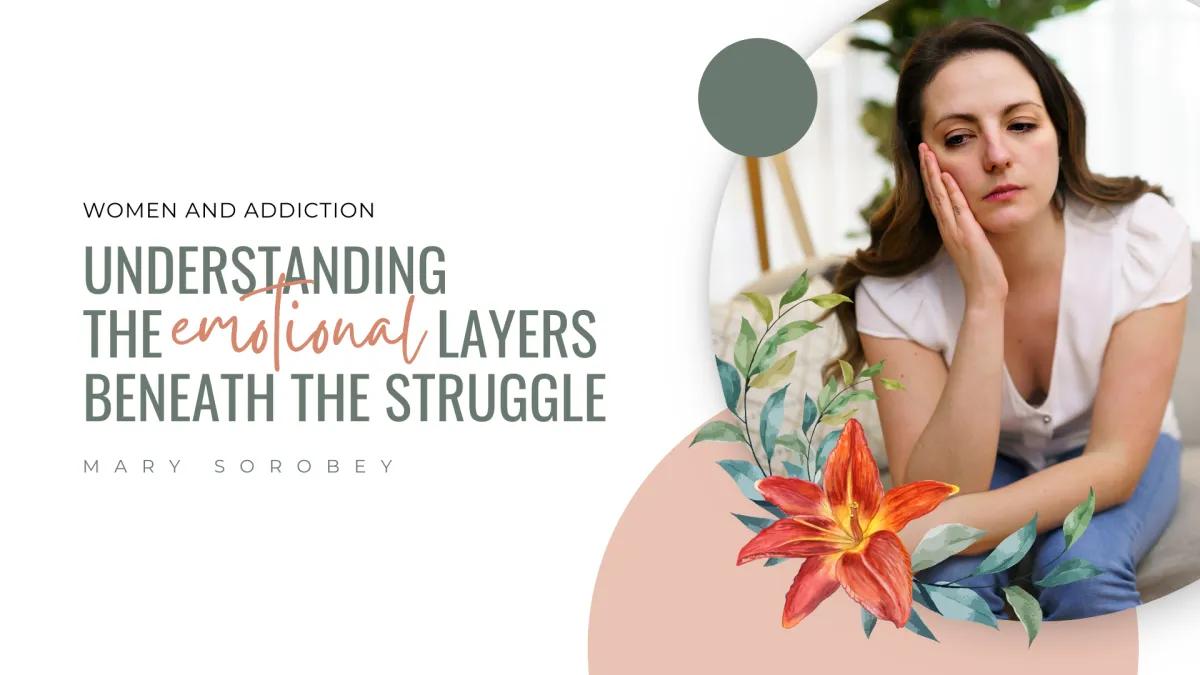
Women and Addiction: Understanding the Emotional Layers Beneath the Struggle
The conversation around women and addiction is often oversimplified. It focuses on substances, behaviors, or consequences — but rarely on the emotional layers beneath them. For many women, addiction is not about recklessness or lack of discipline. It is about survival.
Women often carry invisible burdens: caregiving roles, professional pressure, relational expectations, and unprocessed trauma. When emotional pain builds without safe outlets, coping strategies begin to form. Substances or compulsive behaviors can become a way to regulate stress, numb overwhelm, or reclaim a sense of control.
Understanding women and addiction requires looking beyond behavior and into the lived emotional experience.
Why Addiction Looks Different in Women
Research consistently shows that women’s pathways into addiction often differ from men’s. Trauma, relational stress, anxiety, depression, and chronic emotional overload frequently play a central role. Women are also more likely to internalize shame, which makes seeking help more difficult.
Because of this, addiction counselling for women must address more than substance use. It must address emotional safety, boundaries, self-worth, and nervous system regulation. In Edmonton, Alberta, many women silently manage stress while appearing capable and composed. This high-functioning exterior can make addiction harder to recognize — even for the woman experiencing it.
The Role of Trauma in Women and Addiction
Trauma is a significant factor in women and addiction. Experiences of childhood adversity, emotional neglect, abuse, relationship betrayal, or chronic stress can leave the nervous system in a constant state of alert or shutdown. When the body doesn’t feel safe, it searches for relief.
Women’s trauma therapy focuses on helping the nervous system process unresolved experiences in a safe and structured way. Without addressing trauma, addiction often becomes the primary coping tool. When trauma is acknowledged and gently processed, the need for that coping mechanism can begin to decrease.
This is why women’s trauma therapy is not separate from addiction treatment — it is often foundational to it.
What Emotional Survival Can Look Like
For many women, addiction begins quietly. A drink to unwind. Medication to sleep. A behavior that distracts from anxiety or loneliness. Over time, what started as relief becomes reliance.
Emotional survival strategies develop when women feel unsupported, unheard, or overwhelmed. In this context, addiction is not a failure — it is a nervous system adaptation. Understanding this reduces shame and reframes recovery as healing, not punishment.
Support for women with addiction must recognize these survival patterns with compassion rather than judgment.
Why Shame Keeps Women Silent
Shame is one of the strongest barriers to healing. Women often feel pressure to “hold everything together,” which makes admitting struggle feel like weakness. This silence can deepen isolation and increase reliance on coping mechanisms.
Addiction counselling for women creates a space where vulnerability is not judged but understood. In Edmonton, Alberta, confidential, trauma-informed support allows women to explore their patterns safely — without fear of stigma.
Healing begins when shame is replaced with understanding.
Five Gentle Shifts That Support Healing
Recognize coping patterns without self-criticism. Awareness is the first step.
Address trauma alongside substance use. Both deserve attention.
Strengthen emotional regulation skills. Safety begins internally.
Build supportive boundaries. Overextension fuels burnout.
Seek specialized support. Women’s experiences require tailored care.
Women and addiction are deeply connected to emotional survival — and survival deserves compassion.
Healing Is Not About Becoming Someone Else
Recovery does not mean abandoning strength, ambition, or independence. It means reconnecting with parts of yourself that have been operating in survival mode for too long. When trauma is processed and emotional regulation improves, clarity and self-trust often return naturally.
“Healing isn’t about becoming someone new — it’s about remembering who you truly are.”
— Mary Sorobey, Registered Psychologist
Addiction Counselling for Women in Edmonton, Alberta
If you recognize yourself in the connection between women and addiction, you are not alone. Support is available. Trauma-informed addiction counselling for women in Edmonton, Alberta provides a safe and confidential space to explore patterns, reduce shame, and rebuild emotional stability.
Mary offers women’s trauma therapy and individualized support for women with addiction, helping clients move from survival to steadiness — at a pace that feels safe and empowering.
👉 Book a confidential appointment: https://sorobeypsychology.com/book-an-appointment/
